
Sweet and Spicy Flavour Combinations: How to Balance Taste Like a Chef
Sweet and spicy flavour combinations have become one of the most popular trends in modern cooking. From street food to fine dining, this pairing is widely used because it creates contrast, depth, and a memorable taste experience. When done correctly, it can transform even the simplest ingredients into something exciting and satisfying.
The best part is that you do not need advanced cooking skills to master this technique. By understanding how sweetness and heat interact, you can start creating balanced and refined dishes right in your own kitchen.
This guide explains how to combine sweet and spicy flavours effectively, what ingredients to use, and how to avoid common mistakes that can ruin the balance.
Why Sweet and Spicy Flavours Work Together
The reason this combination works so well lies in how our taste buds respond to different flavours. Sweetness and spice activate different sensory responses, which creates a layered experience when both are present in a dish.
Contrast Creates Interest
Sweetness provides comfort and smoothness, while spice adds sharpness and intensity. When combined, they create a contrast that makes food more interesting and enjoyable.
Balance Enhances Flavor
Spice alone can sometimes feel too strong, while sweetness alone can feel too heavy. When balanced, they enhance each other instead of competing. This balance is what gives many popular dishes their signature taste.
Understanding Sweet Elements
Sweetness in cooking does not always come from sugar. Many natural ingredients can provide sweetness while also adding depth to the dish.
Natural Sweeteners
Ingredients like honey, maple syrup, and fruits such as mango, pineapple, and apples are commonly used to add sweetness. These options provide a more complex flavour compared to refined sugar.
Caramelization
Cooking methods such as roasting and grilling can naturally enhance sweetness by caramelizing sugars in the ingredients. This adds both flavour and texture to the dish.
Understanding Spicy Elements
Spice can vary greatly in intensity and flavour, so choosing the right type is important.
Types of Heat
Fresh chilies provide a bright and sharp heat, while dried spices like chili flakes or cayenne offer a deeper and more concentrated flavour. Hot sauces can add both heat and acidity, depending on their ingredients.
Controlling Intensity
The key to using spice effectively is control. Start with a small amount and increase gradually. This helps you avoid overpowering the dish.
How to Create the Perfect Balance
Balancing sweet and spicy flavours is more about technique than exact measurements.
Start with One Dominant Flavor
Decide whether sweetness or spice will lead the dish. This helps maintain clarity in flavour instead of creating confusion.
Layer Gradually
Add ingredients step by step and taste as you go. This allows you to adjust the balance before it becomes difficult to fix.
Use Supporting Flavors
Acidity, salt, and umami can help stabilize the balance between sweet and spicy. For example, a small amount of lemon juice or vinegar can enhance the overall flavour.
Popular Sweet and Spicy Combinations
Certain combinations are widely used because they consistently deliver excellent results.
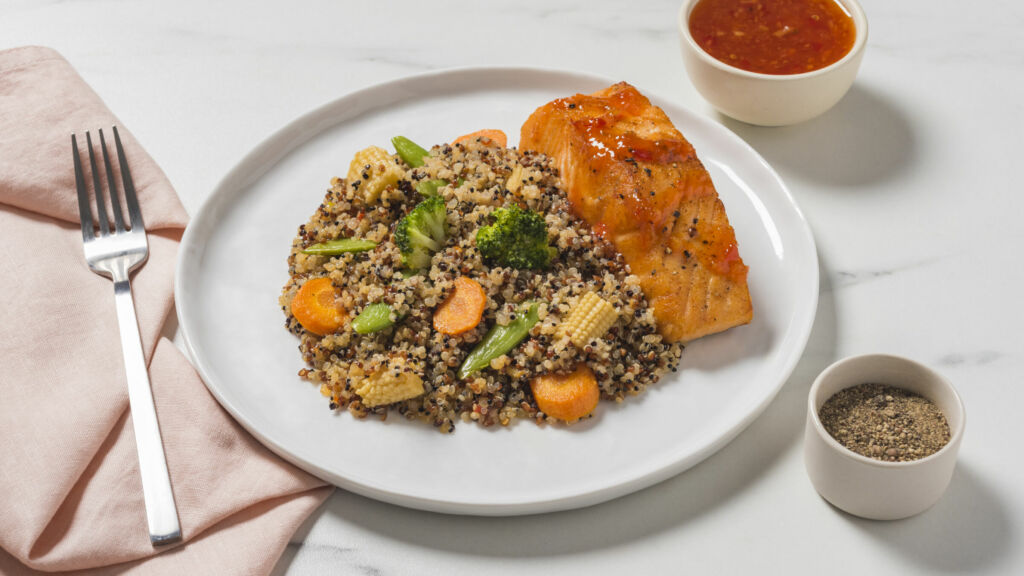
Honey and Chili
This is one of the simplest combinations. It works well for glazing meats, adding to sauces, or even drizzling over roasted vegetables.
Mango and Chili
This pairing is popular in many cuisines. The freshness of mango balances the sharp heat of chili, creating a refreshing and bold taste.
Brown Sugar and Black Pepper
This combination adds depth and works well in grilled or roasted dishes, especially with meats.
Pineapple and Hot Sauce
The natural sweetness of pineapple pairs well with spicy sauces, making it a great option for marinades and stir-fries.
Best Cooking Methods for This Combination
The cooking method you choose can significantly affect how flavours develop.
Grilling
Grilling enhances sweetness through caramelization and adds a smoky flavour that complements spice.
Roasting
Roasting helps develop deeper flavours and works well for vegetables and meats.
Stir-Frying
This quick method helps retain freshness while blending flavours efficiently.
Common Mistakes to Avoid
Even though this combination is simple, certain mistakes can affect the final result.
Overloading with Sugar
Too much sweetness can make the dish heavy and reduce the impact of spice.
Ignoring Spice Strength
Different chilies have different heat levels. Always consider this before adding them to your dish.
Skipping Taste Testing
Failing to taste while cooking can lead to imbalance. Regular tasting helps you maintain control.
How to Practice and Improve
Like any cooking technique, mastering flavour balance takes practice.
Start with Simple Recipes
Begin with basic dishes and gradually experiment with different ingredients.
Keep Notes
Write down what works and what does not. This helps you refine your approach over time.
Experiment with Confidence
Do not be afraid to try new combinations. Small changes can lead to great results.
When to Use Sweet and Spicy Flavours
This combination works well in a wide range of dishes.
Main Courses
It is commonly used in meat and vegetable dishes to add depth.
Snacks and Appetizers
Sweet and spicy flavours can make snacks more exciting and enjoyable.
Sauces and Marinades
This pairing is ideal for creating versatile sauces that can be used in multiple dishes.
Final Thoughts
Sweet and spicy flavour combinations are a simple yet powerful way to improve your cooking. By understanding how these flavours interact and learning how to balance them, you can create dishes that feel more refined and enjoyable.
Focus on gradual adjustments, use quality ingredients, and keep experimenting. Over time, you will develop a natural ability to create balanced and flavorful meals with confidence.